





During a recent European sojourn, I did what any bright-eyed tourist does and ticked off some of the world’s most delectable historical landmarks from my bucket list: the Colosseum, the Basílica de la Sagrada Familia, the Cathédrale Notre-Dame de Paris.
But it was the illustrious Château de Versailles that had the most gravitas to me. From my first look at the Cour d’Honneur to the renowned Galerie des Glaces – The Hall of Mirrors – I was enraptured by the visual performance of every space. I took myself back in time to a world where wealth and abundance painted a prettier picture of history.
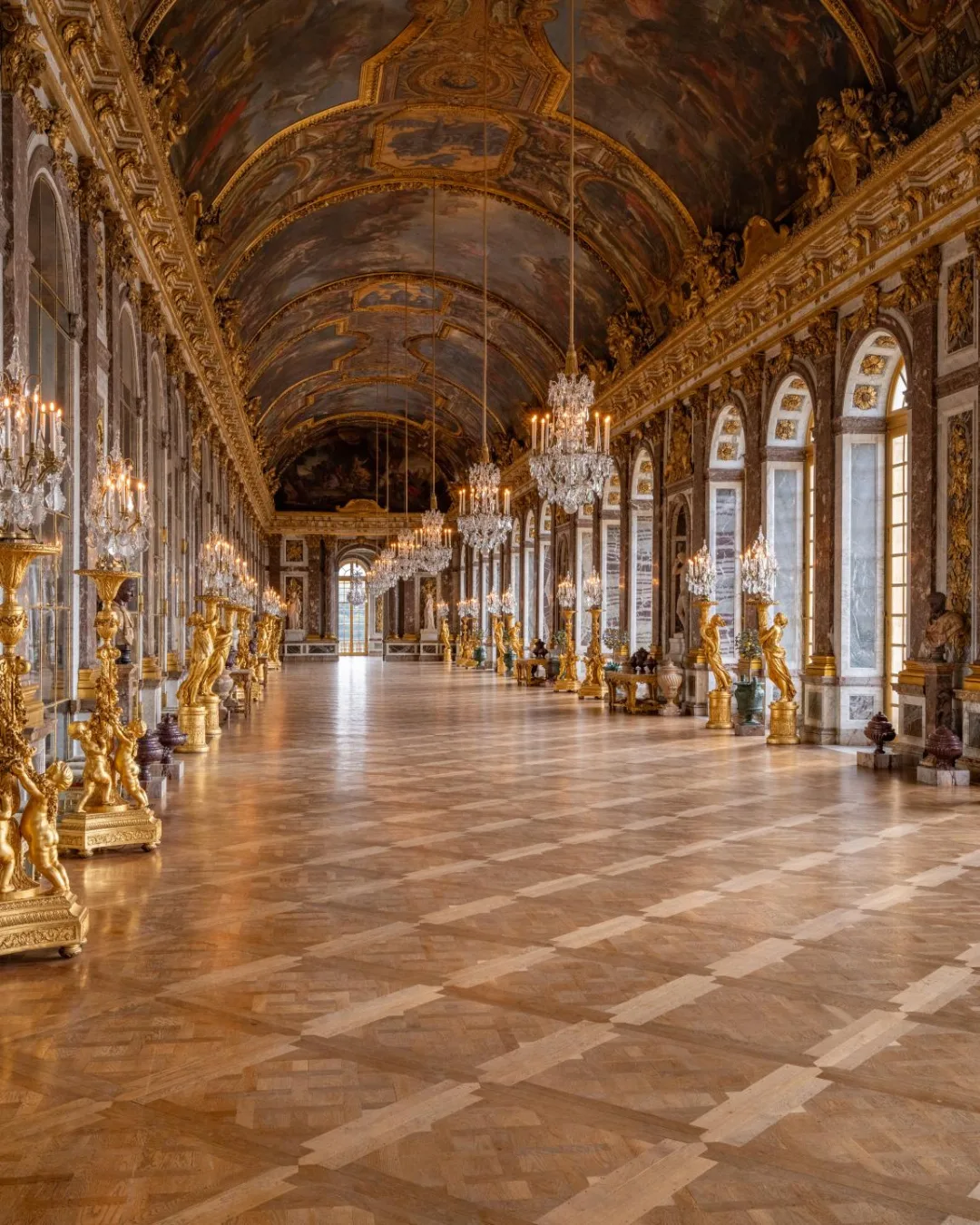
The Versailles estate, a UNESCO World Heritage-listed site, denotes a visual language of excessive consumption that is undeniably pleasing to the eye. For me, this interest in the aristocratic aesthetics of Versailles felt like a rose-tinted step away from the present-day news headlines that grapple with our economic uncertainty.
And I’m not alone in this thought process.
The illusion of wealth during hard times
As housing costs soar and the cost of living hits an all-time high, something curious is happening on social media: people are decorating their studio apartments in soft, Rococo-like pastels. The whimsical, feminised ‘coquette’ or ‘cottage-core’ aesthetic is also trending, with gilt mirrors and ruffled bedding setting the tone.
The word ‘tradwife’ has come into the collective consciousness to promote domesticity and care for the home. It’s like we’re all playing dress-up, because we are. This aesthetic reveals an uncomfortable truth in our society, which is that we tend to perform the illusion of wealth in times of scarcity.
The Palace of Versailles is a snapshot of the monarchy’s fascination with opulence and overconsumption, having served as the royal residence of Louis XVI and Marie Antoinette before their death in 1793. But it is the latter of the two royals that has helped craft an illusion of extravagance and wealth that we give ourselves permission to delight in.
You don’t need to be a Francophile to understand the enduring allure of the last Queen of France. And if I’m honest, it was my own fascination with this 18th-century influencer that drew me to Versailles in the first place.
Marie Antoinette’s enduring allure
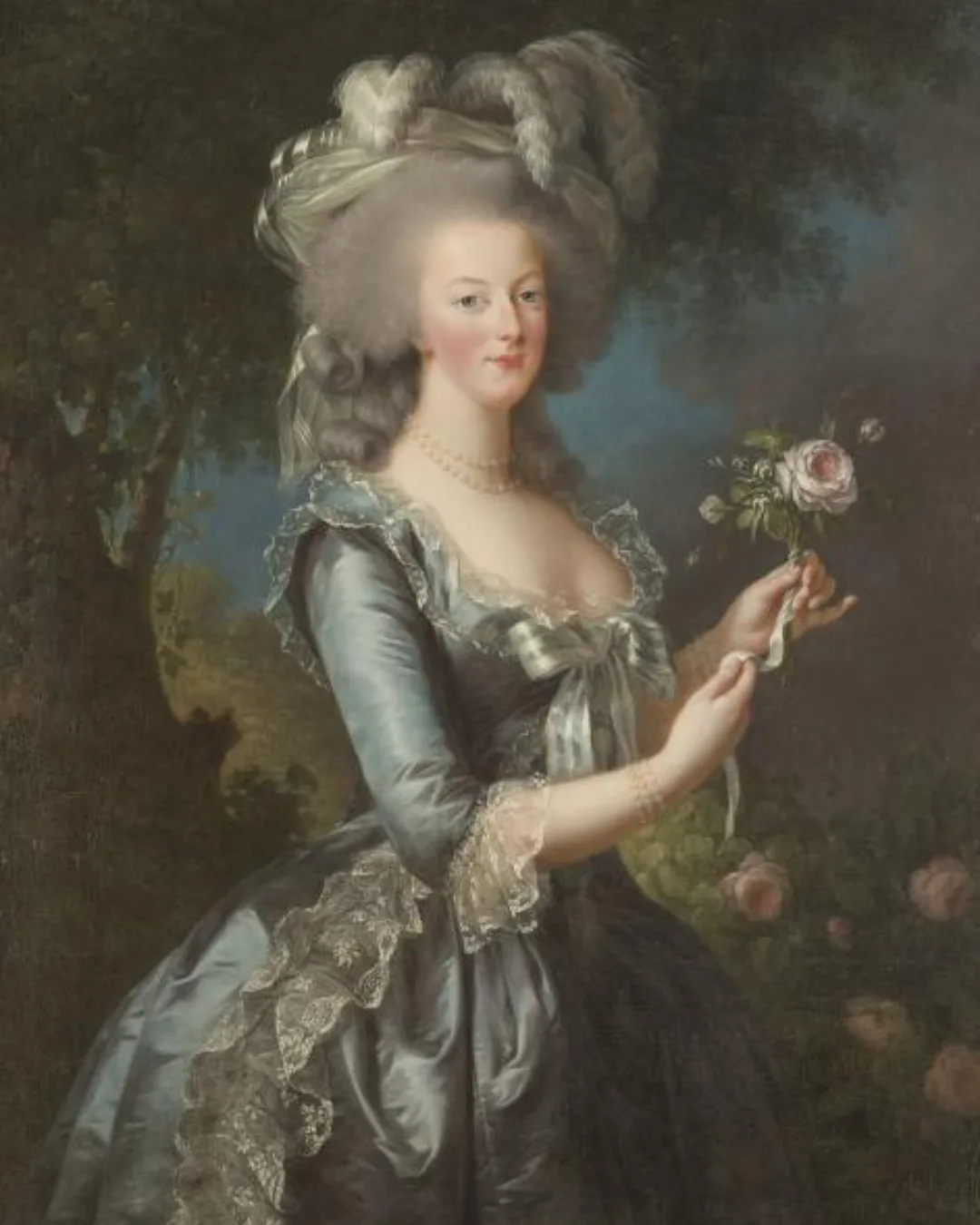
Marie Antoinette had been the face of beauty and excess for generations, despite being a victim of her own circumstances. At Versailles, she was a tastemaker and contributed heavily to the exquisite craftsmanship of many rooms, from privatising royal spaces to introducing softer, more feminine décor, most notably at the Petit Trianon, her private retreat at Versailles.
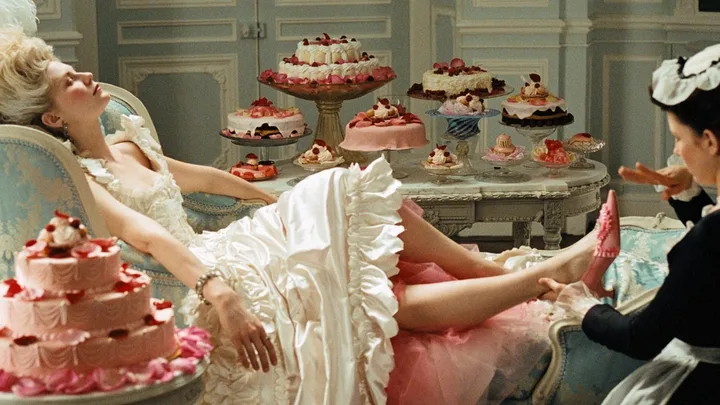
For myself, walking through the palace was like stepping into Sofia Coppola’s 2006 film Marie Antoinette: an anachronistic dream version of the Austrian Queen’s life, one that is constantly pinned on Pinterest boards as appealing inspiration.
But it’s time to ask ourselves: why does this consumption of wealth draw us in so strongly, when, beyond these gilded walls, our economic crisis is reaching breaking point? Is our attraction to these interiors a harmless fantasy, a kind of rich-girl cosplay? Or is it the residue of a deeper cultural conditioning that tells us beauty and excess can soothe the sting of austerity?
This line of thinking isn’t without its historical parallels. Marie Antoinette’s tendency to curate spaces of wealth and abundance stood in contrast to France’s mounting fiscal crisis in the 1780s, with the queen earning the derisive nickname “Madame Déficit” as her personal spending was blamed for national hardship.
The return of Rococo style
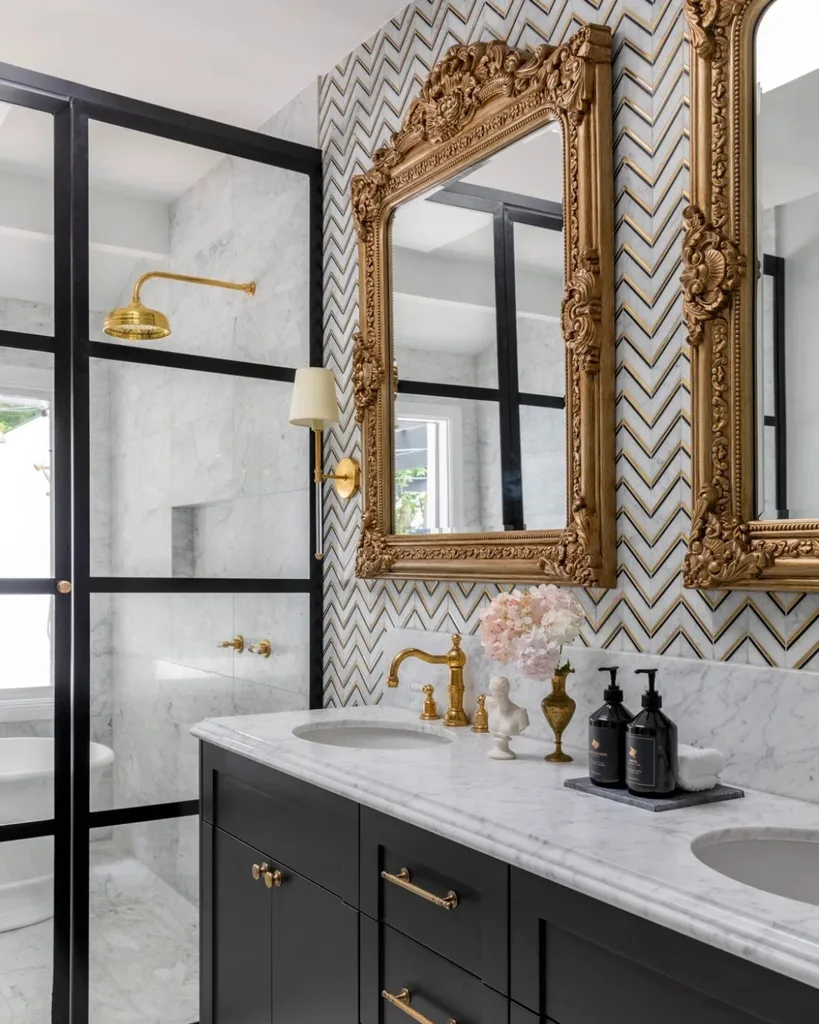
This aesthetic seems to ebb and flow through the collective consciousness in a timely fashion. Shows like Dynasty in the 1980s brought back to life gilded interiors, over-the-top wardrobes, and decadent lifestyles just as the culture was coming out of stagflation and economic discomfort. Coppola’s 2006 film was released during a period of looming financial instability that would culminate in the 2008 Global Financial Crisis.
In the world of interiors, the late 2010s saw a boom in gold fixtures, ornate mirrors, and marble counters – offering a smaller taste of luxury without a full-scale renovation. And during the COVID-19 pandemic, cottagecore and rococo-inspired aesthetics went viral online, continuing to trickle down to the present day.

Even now, just as domestic cosplay has grown in popular demand, it is clear that what these visuals have in common is that they give an illusion of wealth. The recent exhibition at the Victoria and Albert Museum in London, showcasing Marie Antoinette’s enduring legacy through physical objects, also underlines this fascination.
Curated by Sarah Grant, the exhibition displays both surviving examples of her textiles, furniture, fashion, and jewellery, as well as modern renditions of the late Queen’s aesthetics. It’s a timely exhibition that aligns perfectly with the current interest in the illusion of wealth and luxury.
The staying power of the Marie Antoinette aesthetic endures because it satiates our desire for escape and comfort in times of hardship. However, while the world feels like it is burning, our fascination with luxury and excess raises uncomfortable questions. Why are we conditioned to believe that abundance will fix our problems? By participating in these aesthetics, are we playing dress-up to feel anything other than financial pain?
Capitalism has taught us to consume our way out of anxiety, yet perhaps Marie Antoinette’s aesthetic, like Versailles itself, is both a mirror and a mirage, inviting us to question not just what we’re consuming, but why.