





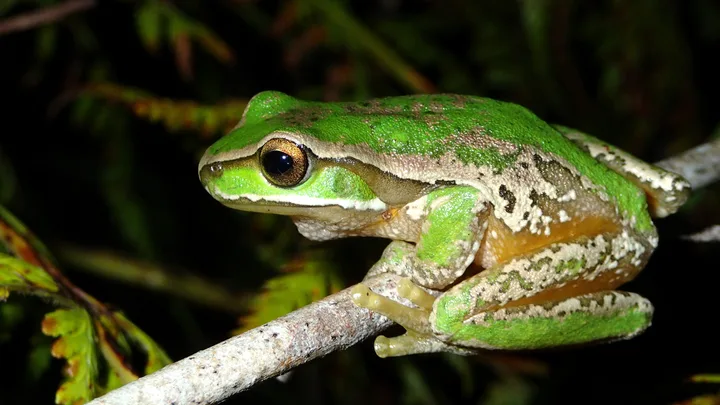
 Photo: Jodi Rowley
One in five frog species in Australia is under threat of extinction; an alarming statistic, but one we can try to rectify by making small changes to our green spaces, starting with our backyards.
As part of the Australian Museum’s frog-focused event, FrogID Week (which runs from November 7 to 16), we’re sharing the simple ways in which we can encourage more frog-friendly environments to support local frogs.
Dr Jodi Rowley, Australian Museum Lead Scientist for FrogID and Curator of Amphibian and Reptile Conservation Biology at the Australian Museum, says making frog-friendly modifications looks like adding a simple water source and planting native reeds and small shrubs among rocks and logs, all things she has done in her own garden.
“Within a few months of establishing a frog pond, four species of frog moved into my backyard, all of which I recorded with the FrogID app of course!” Dr Rowley says.
So, whether you have a small backyard or you live on acreage, here are some top tips on creating a frog-friendly space in your garden.
How to make your garden frog-friendly
If you have a backyard big enough for a pond, you’ve got yourself a potential frog-friendly sanctuary! Here are some top tips to welcome frogs into your garden:
- Choose a shady spot: To ensure your future frog neighbours are happy, choose a frog bog or pond location that’s in part shade. Also, be sure not to place your pond too close to your bedroom window or those of your neighbours; frogs can be quite loud!
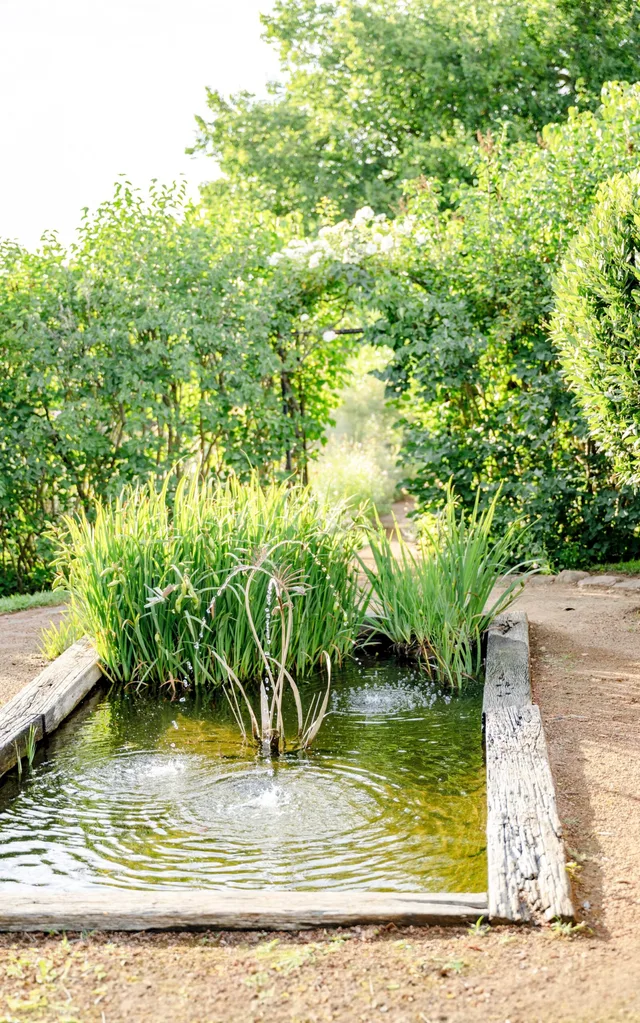
- Add a water source: Create a ‘frog bog’ or a shallow pond with at least 50 centimetres of water and sloping sides; the frogs need to be able to hop in and out of your pond.
- Add mulch, rocks, logs and leaf litter: Frogs need places to hide from predators and seek shade. Logs are also great at bringing bugs, which will keep frogs fed.
- Add native plants: Plants are also essential for a happy pond ecosystem and provide shelter for frogs. Sedges, kangaroo grass, swamp banksia and native ginger are great options, according to Australian Environmental Education.
- Reduce chemical use: Be mindful that pesticides and fertilisers harm frogs.
- Add a water pump and/or native fish: Mosquitoes love still water, so make sure you curb their numbers by installing a water pump or adding in some native fish like Australian smelt.
What is FrodID?
FrogID is a free citizen science-based app by the Australian Museum that aims to share educational information about Australia’s frogs. The app works by recording frog calls, which allows the user to identify the frog species and enables scientists to better understand the diversity, breeding habits and distributions of Australian frogs.

Related stories
Native ad body.
Native ad body.

Native ad body.