





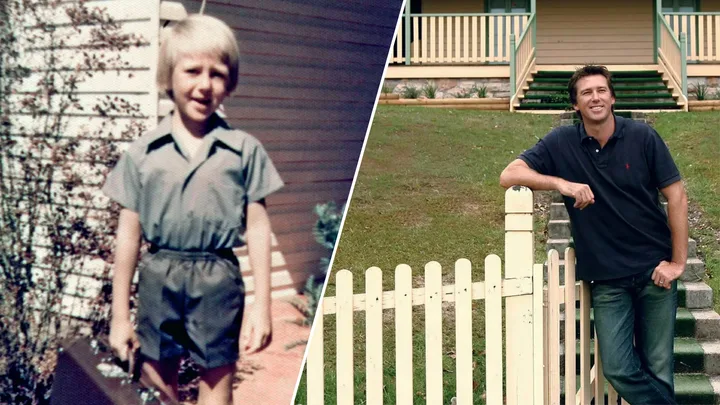
In 2012, Country Style sat down with a then 42-year-old Glenn McGrath as the SCG prepared to host its 100th test cricket match. Speaking with writer Ali Gripper, the (now-retired) cricketing legend spoke about his outback childhood, reflecting on his years spent growing up in Lagoona, his family’s 460-hectare sheep and wheat property near NSW Narromine.
Now, the 55-year-old spends his days continuing his work as the president and co-founder of the McGrath Foundation, which has been supporting breast cancer care for 20 years. Glenn also works in sports commentary and is set to call the 2025 Ashes for the BBC.

No matter how much time has passed, Glenn’s memories of country life still ring true. Keep reading for a trip through the My Country Childhood archives with Glenn McGrath.
In his own words: Glenn McGrath’s country life
This story was originally published in the March 2012 issue of Country Style magazine.
When I was three we moved from a farm in Dubbo to another property at Narromine. I loved growing up in the bush and the freedom it offered. My brother Dale and I would come home from school and ride to the paddocks on the motorbike or work on the tractor and help feed the stock, and I still crave that sense of openness and space we had growing up there.
It was flat country. Apart from the trees down the back and at the front gate, it was all open paddocks. We had some big floods come through, but that’s the lifeblood of the country.
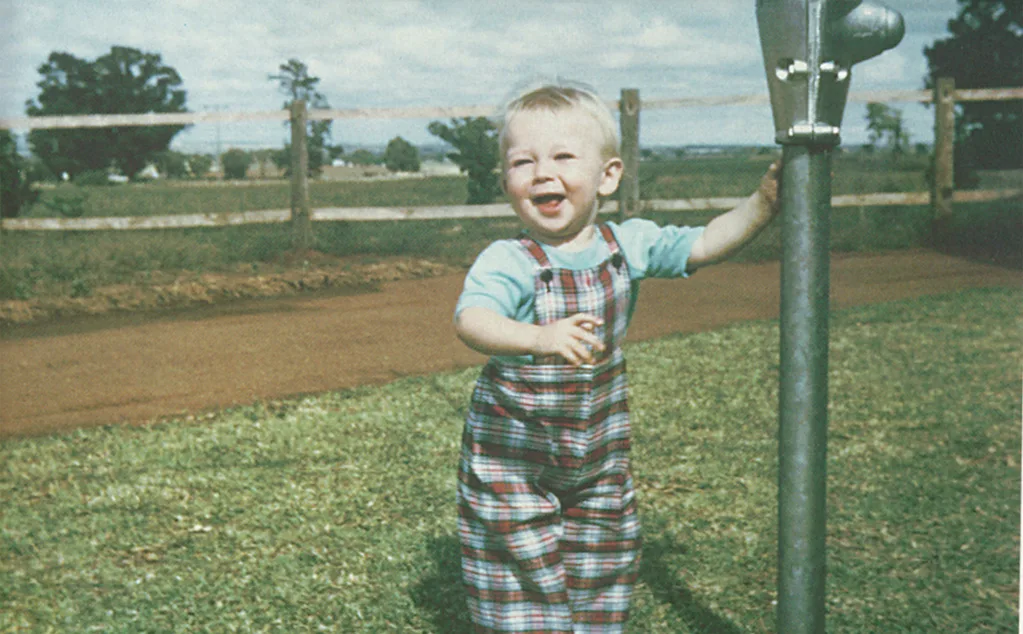
We lived in a typical weatherboard home — my brother Dale, sister Donna, Mum Bev and Dad Kevin. In my mind it was a huge home, but when I went back there years later it seemed so much smaller than it was in my memory.
Growing up on a farm gives you a real sense of independence and a good work ethic, which you take with you all your life. You learn to do things by yourself at an early age. We’d drive four or five kilometres to the school bus and leave the car at a neighbour’s place for the day. You’d try and work out things by yourself, rather than ask for help.
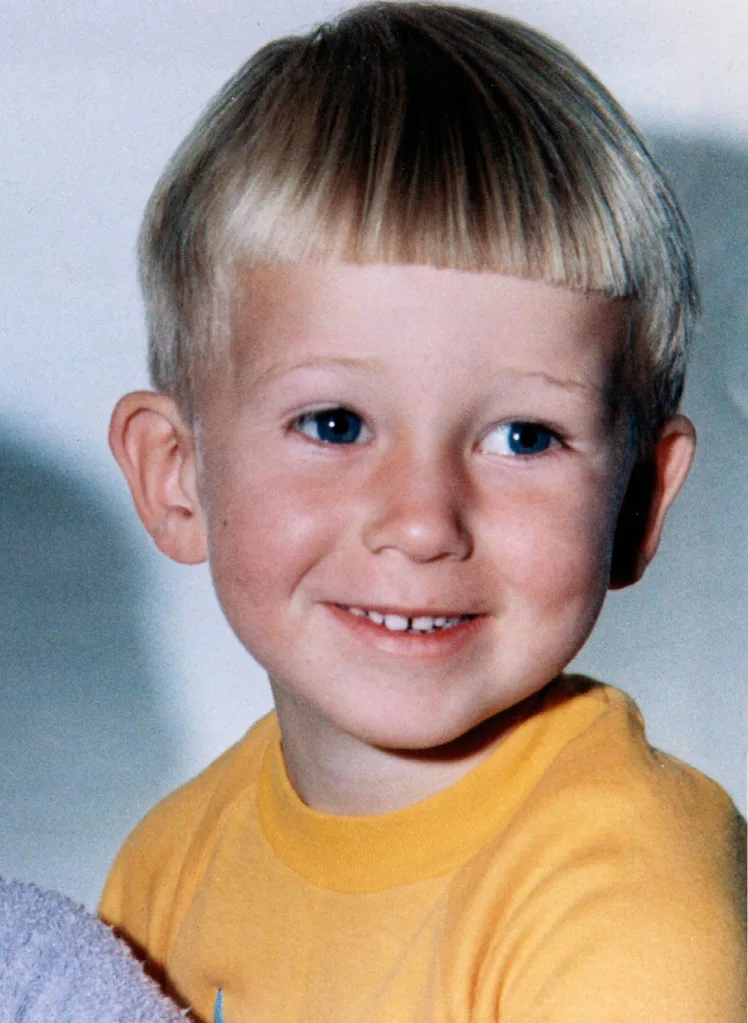
NEED TO KNOW
- Glenn McGrath was a fast-medium pace bowler for Australia from 1993 to 2007
- He took 563 wickets in his cricket career
- Glenn co-founded the McGrath Foundation, a breast cancer support charity in honour of his late first wife, Jane
At school, I was fairly shy. It took me a while to get my confidence up. To speak in front of the class was something I couldn’t do; I hated it.
Now I can speak to 100 people for an hour without notes. But I don’t see myself as any different now to who I was when I left Narromine.
My parents split up when I was 15 and we sold the farm. Mum lives in Dubbo now and Dad’s between Gilgandra and Dubbo. They were both very country people — they would treat people the way you want to be treated and had a real sense of humility. They taught the three of us to work hard and try and make the most of life and they’re just as proud of Donna and Dale as they are of me.
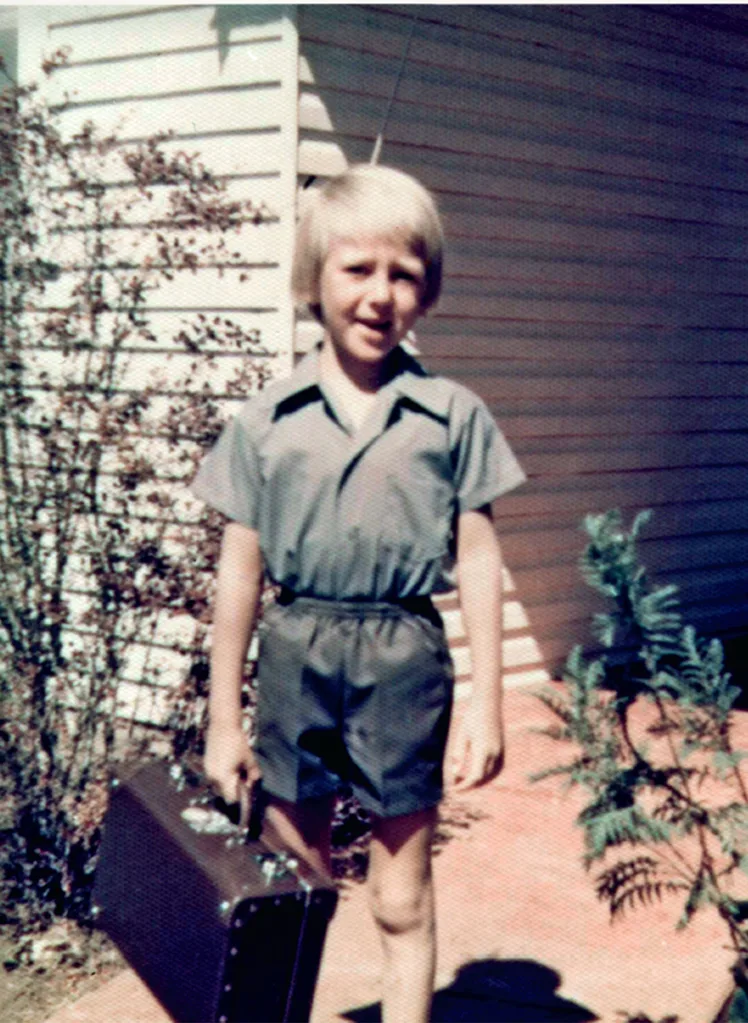
Dad was always out working and would come home for breakfast, dinner and tea. Or he’d take his Esky and a thermos with him for lunch.
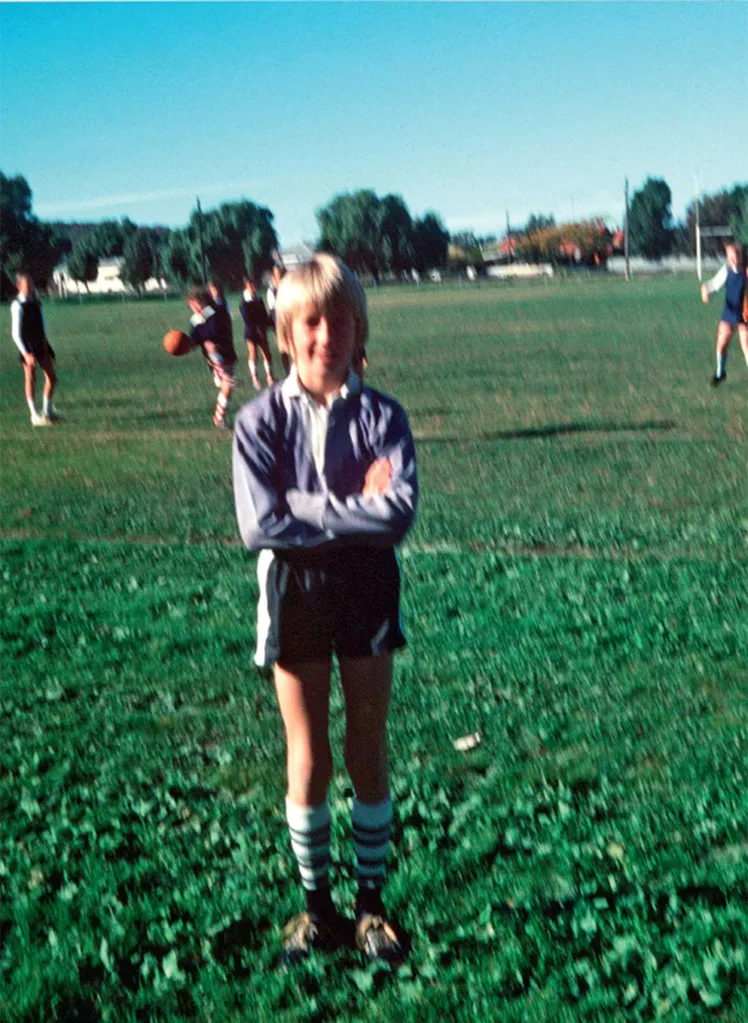
Mum ran the school canteen. I was always very sporty and sport is often big in the bush — it’s a way of bringing the community together, whether it’s cricket, golf or tennis. When I was 11 or 12 I played golf, then basketball, but I always loved cricket. If you’d asked me back then what I wanted to do it would have been to play cricket for Australia as a fast bowler. But I was a late starter.
I played my first representative game when I was 17. I played cricket because I loved it, not because I could make money out of it. Before I went to Sydney, I was only playing the odd rep game on a Sunday and doing one day’s training. It was a big contrast going from that to playing for Sutherland at 19 and within four years playing for Australia.
It was also my first time out of home. I bought a caravan in Dubbo and Mum and I towed it to Sydney and then I lived in it by myself for the first 13 months in a caravan park — the Grand Pines at Sans Souci, Botany Bay. I had to cook, clean, wash and iron for myself. Mum helped me settle in and then said goodbye.
We thought a caravan was a good idea because I didn’t know anyone in Sydney. I also had great memories of holidays in caravans. We always went to a place called Northhaven, near Port Haven, for Christmas holidays. The milk van and the baker would come along every day.
Living in the caravan wasn’t great but it helped me focus on what I was in Sydney for: to play cricket.
I started playing in the second grade, then the next year it was first grade and after that I was invited to the Cricket Academy in Adelaide.
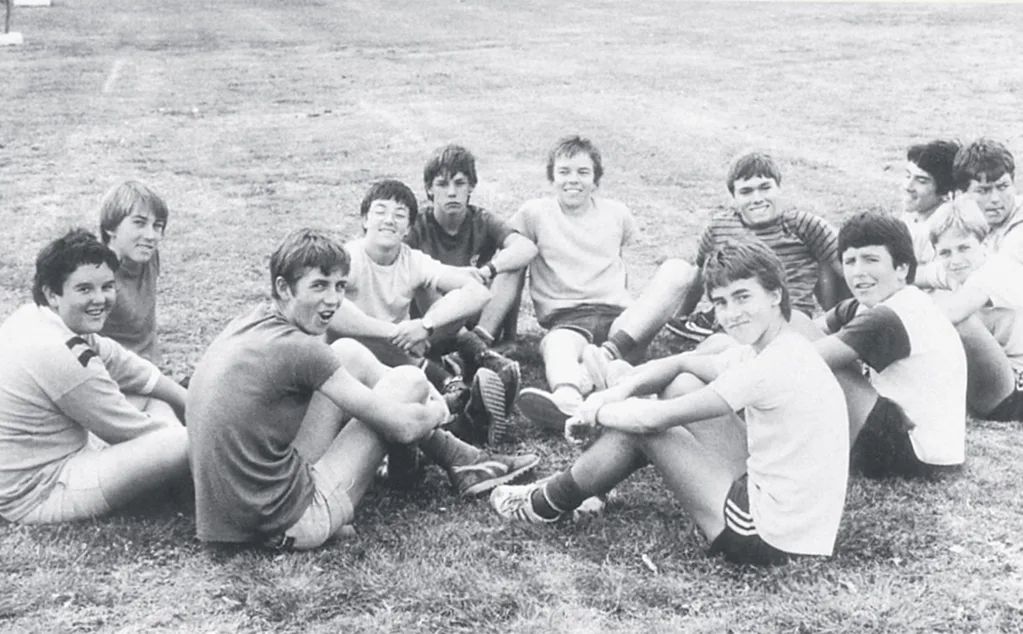
I was ready for a change when I left Narromine but I miss the bush a lot. Now, having a family of my own and because of what I do, I’m fairly settled here in the city. I think of myself as a sociable person but I like getting out in the open away from everything. If I haven’t been out there for a while I can feel a sort of tension in myself. Even if it’s only for three days, I can unwind and recharge my batteries. Then I’m ready to go again.
About Narromine
This small town of around 6,ooo people, lying 40 kilometres west of Dubbo, has produced several sports stars besides Glenn McGrath, such as sprinter Melinda Gainsford-Taylor. Glenn says the many sporting facilities and time to practise create the perfect training ground for budding athletes. The town also has one of the oldest gliding clubs in Australia, enjoying some of the best thermal wind conditions in the world. Sport aside, agriculture is the main industry, specifically sheep, cattle and wool production.
Where does Glenn McGrath live now?
Glenn McGrath now lives in the Noosa Hinterland on the Sunshine Coast with his wife, Sara and daughter, Madison, while Glenn’s older children, James and Holly, live interstate.

Related stories
Native ad body.
Native ad body.
Native ad body.