





 Image: B&B Italia
It’s becoming harder to tell whether something belongs to the present or the past. Dupe culture has blurred the lines, reproducing familiar forms until their origins feel almost irrelevant, leaving us unsure whether we’re looking at a contemporary statement or a piece with history. In this haze, the distinction between what is timeless and what is merely trendy has never been more difficult to discern.
Our editors weigh in on a selection of furnishings that have likely crossed your screen, offering their perspectives on which designs endure – and which they believe won’t last the test of time.
Togo Sofa by Michel Ducaroy
Designed by Michel Ducaroy for Ligne Roset in 1973, the Togo challenged what a sofa could be. Its distinctive folds, low-slung form and foam-only construction stood in contrast to the stiffness of traditional seating. What began as an experiment in form and material became one of the most recognisable silhouettes in contemporary design – and, over time, one of the most imitated.
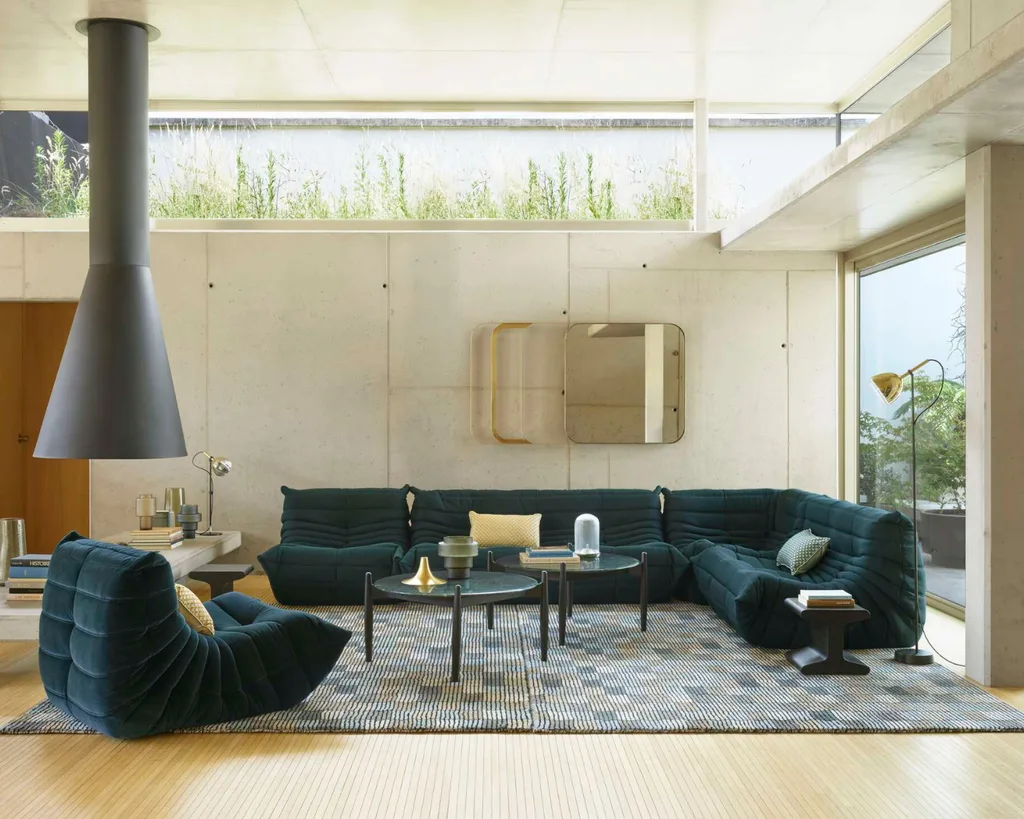
Saskia Neacsu, Senior Content Producer:
It is hard to argue that this piece is anything but timeless. While it may have been bastardised by an influx of replicas, the original crimped, ground-gunning sofa gained recognition for a reason – its form was inspired by something as simple as a crumpled toothpaste tube.
Its shape has since become a reference point for others, and it is this tendency to replicate rather than innovate that fuels an endless line of copies. The Togo remains timeless because its proliferation reminds us how easily originality can be diluted when imitation takes precedence over distinctiveness.
Danielle Grover, Senior Content Producer:
TIMELESS! It’s been around since the ’70s, yet its iconic, lived-in design still manages to look more effortlessly cool than most modern counterparts.
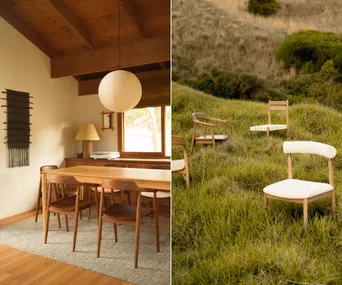
Wishbone Chair by Hans Wegner
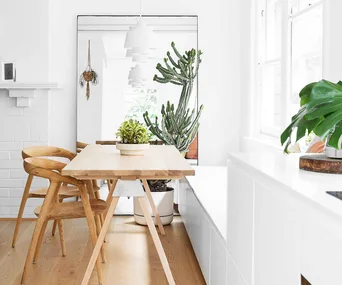
Designed by Hans J. Wegner in 1949 for Carl Hansen & Søn, the Wishbone Chair – also known as the CH24 – is a distillation of Danish design. With its sculptural Y-shaped back and handwoven paper cord seat, Wegner sought to create a chair that was light in appearance yet generous in comfort.
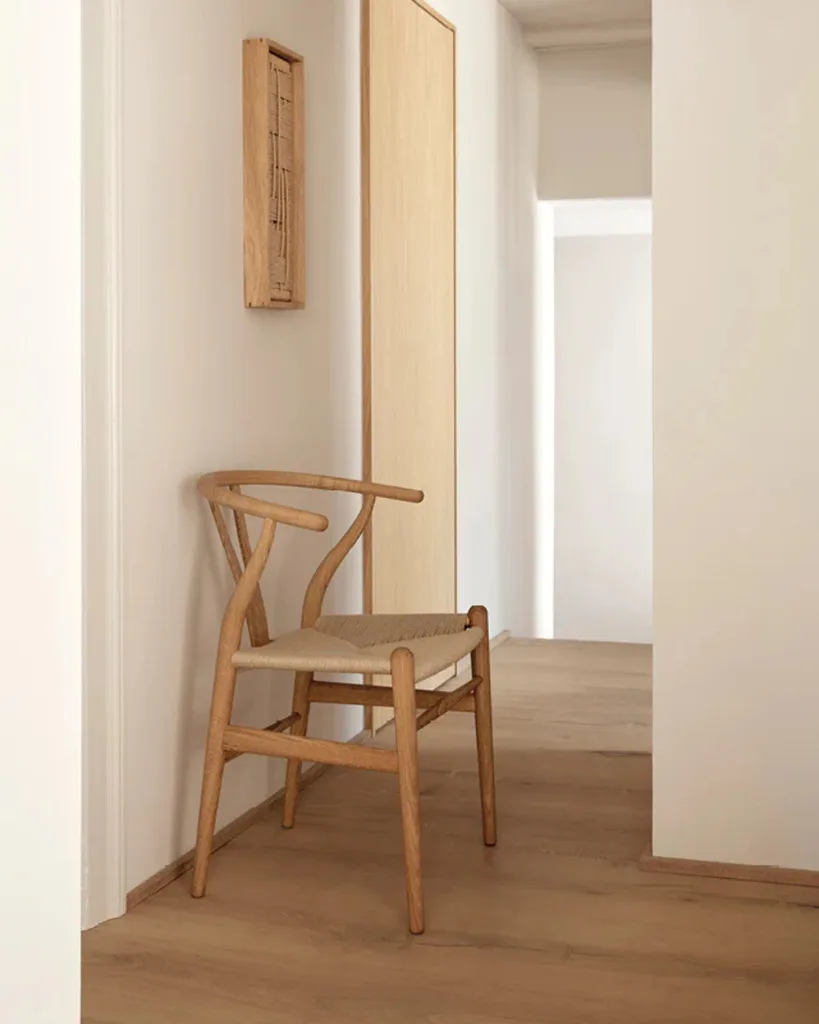
Grace Flynn, Content Producer:
The Wishbone chair; elegant, refined, quintessentially Danish. But, even without ever having sat on one, I just know that they’d be uncomfortable.
In saying that, I’d love to be proven wrong! So, if anyone wishes to send me a Wishbone, please get in touch.
Saskia Neacsu, Senior Content Producer:
Trendy. I know that may come as a surprise to some, but the 1950s design has been excessively saturated in the furniture market, and while its simple form may suit a particular interior, I wouldn’t say it has dated well.
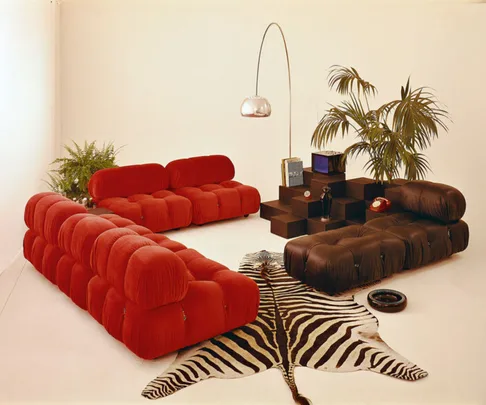
Camaleonda Sofa by Marrio Bellini for B&B Italia
Designed by Mario Bellini for B&B Italia in 1970, the Camaleonda Sofa was a modern interpretation of modular living. Its movable cushions, linked by hooks and rings, allowed for an array of configurations. With deep tufts and generous proportions, Bellini’s design set the blueprint for a new kind of personalised furniture – one that could be endlessly reconfigured to suit its owner.
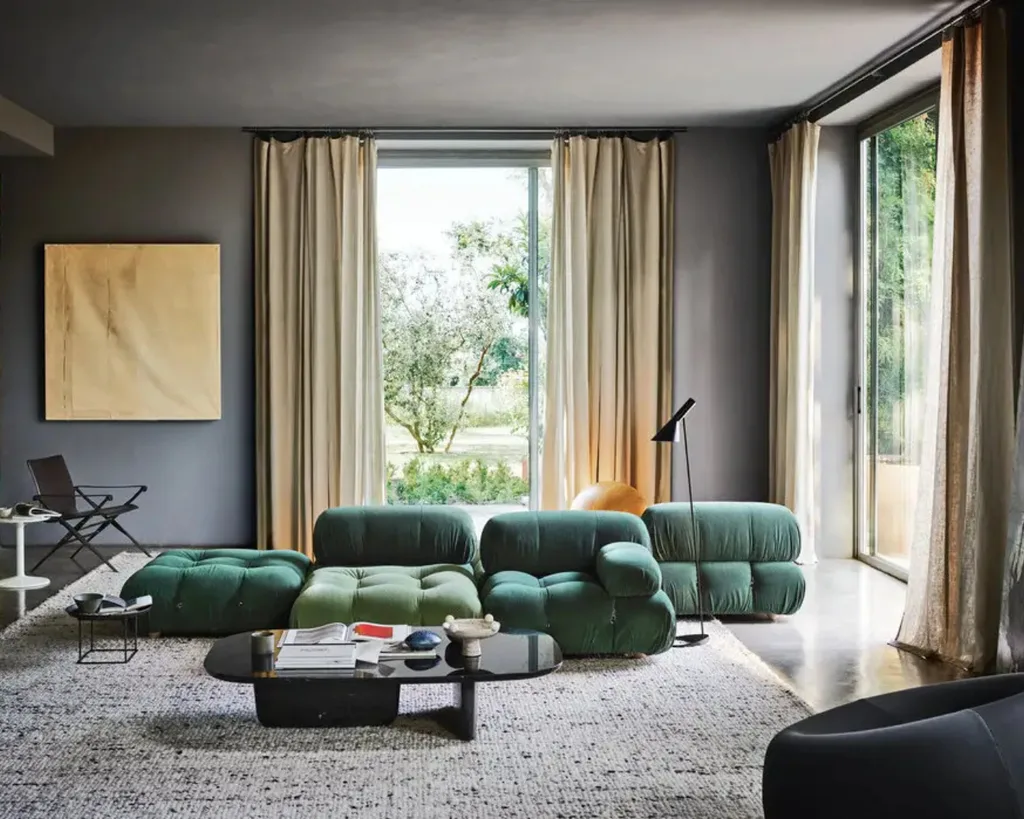
Saskia Neacsu, Senior Content Producer:
While I can appreciate the original, I’ll admit I’ve grown desensitised to it – a casualty of endless duplication. Dupe culture has diluted the Camaleonda’s presence to the point where its form feels algorithmic rather than iconic.
My first instinct was to call it trendy, which, on reflection, feels unfair. The 1970s design set the precedent for modular seating as we know it – a blueprint for many interpretations, iterations and, admittedly, imitations to follow. So while its overexposure may have softened its impact, the foundation it laid remains timeless.
Kate Hassett, Digital Editor:
While it could be argued that Mario Bellini’s iconic Camaleonda sofa is up there with some of the most frequently replicated furniture styles (at least if you’re keeping score with social media influencers), there’s a reason why it retains its covetable status.
Aside from its distinct pillow-like structure and undeniable aesthetic appeal, its modular design also ensures it’s a style that endures rather than ages out. Case in point: This glamorous Sydney home designed around the owner’s Camaleonda sofa!
Dupe culture aside, this classic piece will always hold a special place in the hearts of design lover’s around the world (myself included) whatever your algorithm might have you believe.
Roly-Poly Chair by Faye Toogood
Defined by its rounded, bowl-like seat balanced on four stout legs, the Roly-Poly Chair was designed by Faye Toogood in 2014. Originally conceived as part of Toogood’s Assemblage 4 collection, the piece reflects the designer’s instinct for material experimentation and form.
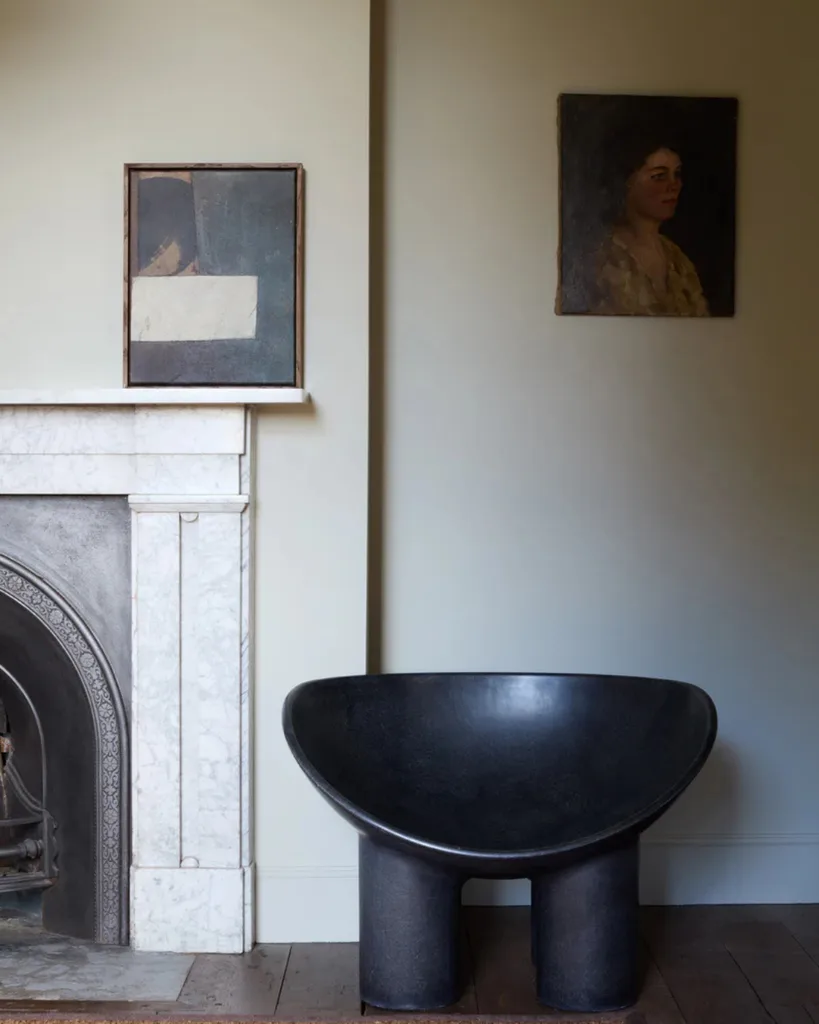
Danielle Grover, Senior Content Producer:
Timeless! The iconic Roly Poly chair made its debut in 2014, its chubby legs and voluptuous silhouette instantly winning the hearts of designers and interiors lovers alike. While playful trends and dopamine decor may come and go, this sweet, sculptural charmer never fails to steal our hearts.
Kate Hassett, Digital Editor:
Launched in 2014 as part of UK-based designer Faye Toogood’s Assemblage 4 collection, the Roly-Poly chair has cemented itself as a mainstay of modern interiors – and for good reason. Its chubby, trunk-like legs are as recognisable as some of the furniture greats and equally as impactful – and we’re not the only ones who think so. Since it was first brought to market, iterations of the Roly-Poly have been acquired for the permanent collections of museums all over the world, including the National Gallery of Victoria.
What I love about this (in my opinion) classic designer chair, is the joy it brings to any space. Not only is its magnetic silhouette and playful aesthetic impossible to ignore, it’s also an instant conversation starter, which to Faye Toogood’s credit, is precisely the point.
“I imagine Roly-Poly irks some industrial designers. When you do furniture there are certain heights and angles you are supposed to conform to, but I’ve thrown all of that in the bin,” exclaimed Toogood in a post celebrating the chair’s 10-year anniversary. “It questions not just the shape of a chair but how you sit in it and use it. I trust people to find the function. Make it personal. Figure out what works for them.”
There’s no denying the Roly-Poly’s icon status, and so it’ll always receive a timeless take from me.
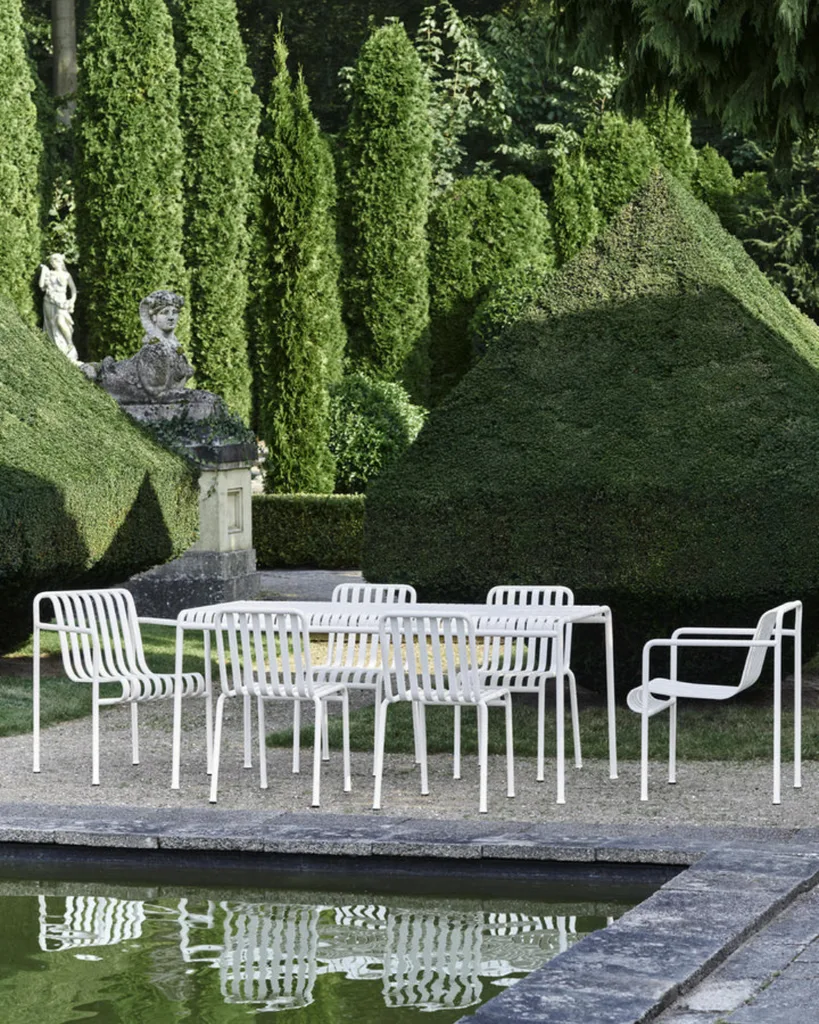
Palissade Outdoor Furniture by HAY
The Palissade Outdoor Collection by Hay was designed in 2014 and reimagines metal furniture for contemporary outdoor living. Characterised by slender, rounded slats and modular forms, the pieces amalgamates durability with versatility. Their simple, considered proportions make the collection adaptable to a range of environments.
Grace Flynn, Content Producer:
There’s no denying that HAY knows how to do simple and timeless. But does HAY know how to do comfortable? In the case of the Palissade range, I’m not so sure.
Don’t get me wrong, I love the sleek curves of HAY’s most instantly recognisable outdoor furniture collection. The pieces are beautiful. But have you ever tried sitting on of those benches on a warm summer’s day for a long period of time? I have and I wouldn’t recommend it, at least not without a cushion (and pants, not shorts!)
Saskia Neacsu, Senior Content Producer:
I can see this range remaining highly sought after for years to come. The powder-coated steel may not make it the most comfortable, but beauty is pain – and this one’s timeless.

Related stories
Native ad body.
Native ad body.

Native ad body.