






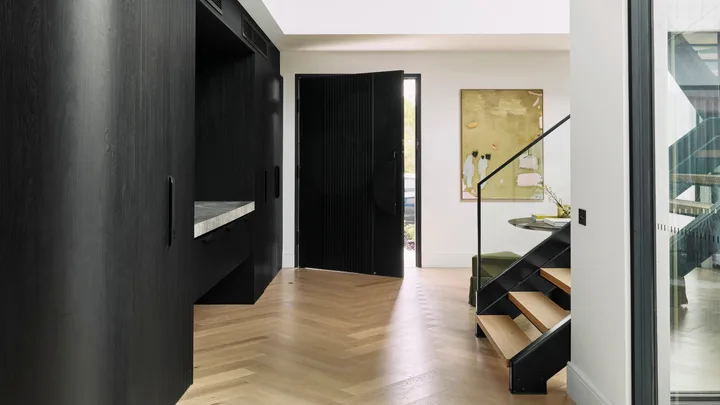
Setting the stage for a beautiful home, the floor beneath your feet is one of the most important surface decisions you’ll need to make. Increasingly, homeowners and designers are turning to engineered timber flooring for its ability to combine natural beauty with strength and stability. But how does it compare to its solid timber counterpart?
“A lot of people assume it’s a lesser product than solid timber, when in reality it’s often superior in stability and performance – especially in Australia’s harsh climates or with underfloor heating,” says Heidi Mitchell, national sales manager at Kustom Timber.
“Engineered timber is real timber flooring, carefully constructed with layers of plywood and a solid timber-wear layer on top,” she explains. Solid timber, while traditional, is a single piece of hardwood, prone to expanding and contracting with moisture and temperature changes.
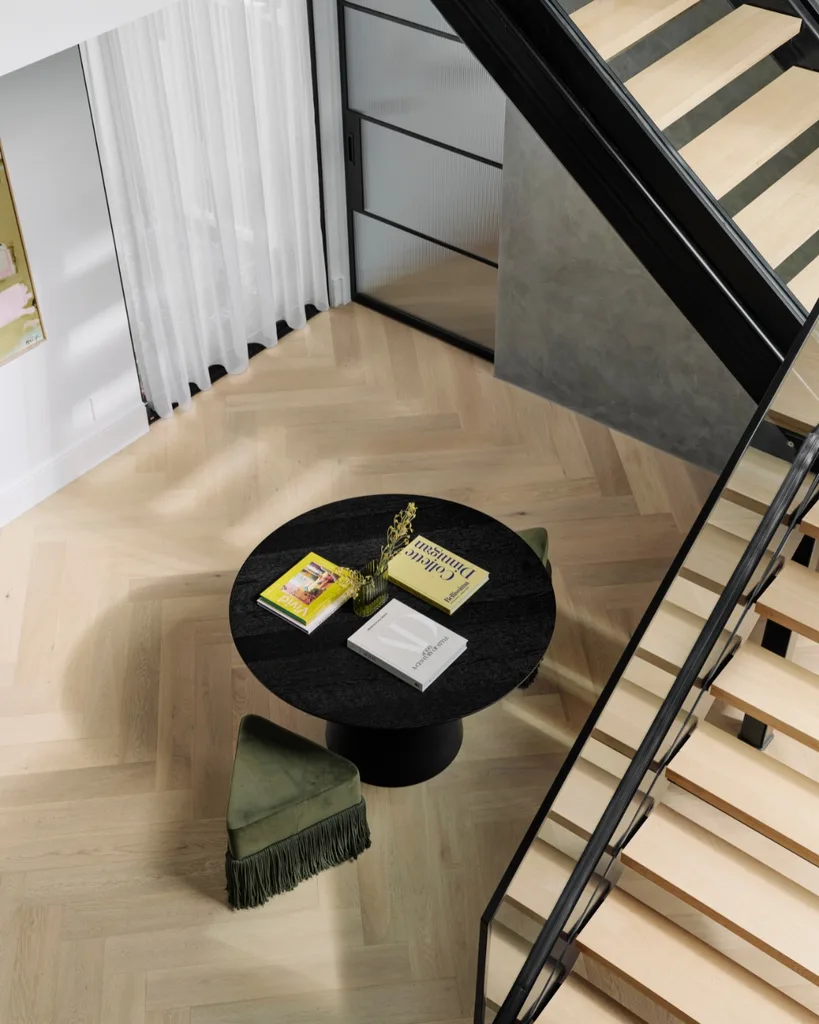
The durability of engineered timber is one of its biggest selling points. Experts agree it stands up to the test in high-traffic areas, including living rooms, kitchens and bedrooms, with the only real no-go zones being bathrooms and laundries where moisture, steam and humidity are an issue. “The quality is excellent now, with stain and scratch-resistant properties that stand up to family life,” says Shona McElroy, principal at Smac Studio.
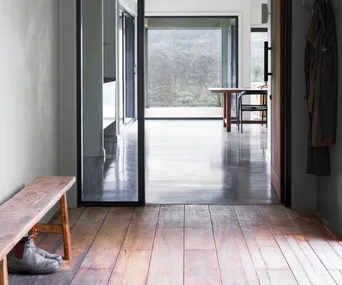
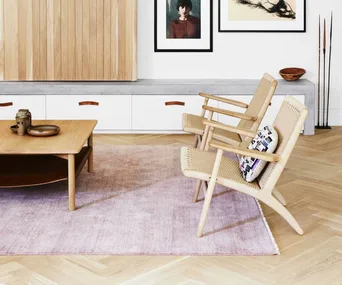
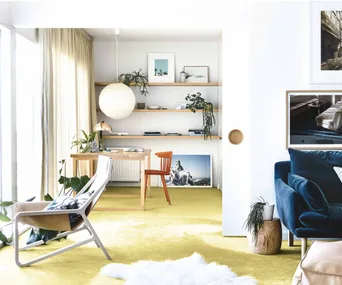
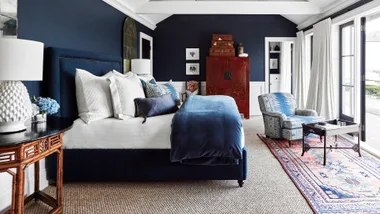
“A floor sets the tone of your home just as much as your paint colours – see it in a larger format before you commit.” – Coco Tully, Cote Interiors
For Sally Rhys-Jones, director at Rhys-Jones Interior Design, engineered timber is the real go-to across the board. “We use engineered floors on almost all of our projects. They are much more stable and will have fewer issues with cupping or expanding and contracting with the seasons,” she says.
“Another benefit is that the majority of engineered floors are pre-finished, which means clients can see the colour and texture they will end up with, rather than waiting to see how a timber takes on a stain.”
Why choose engineered timber flooring?
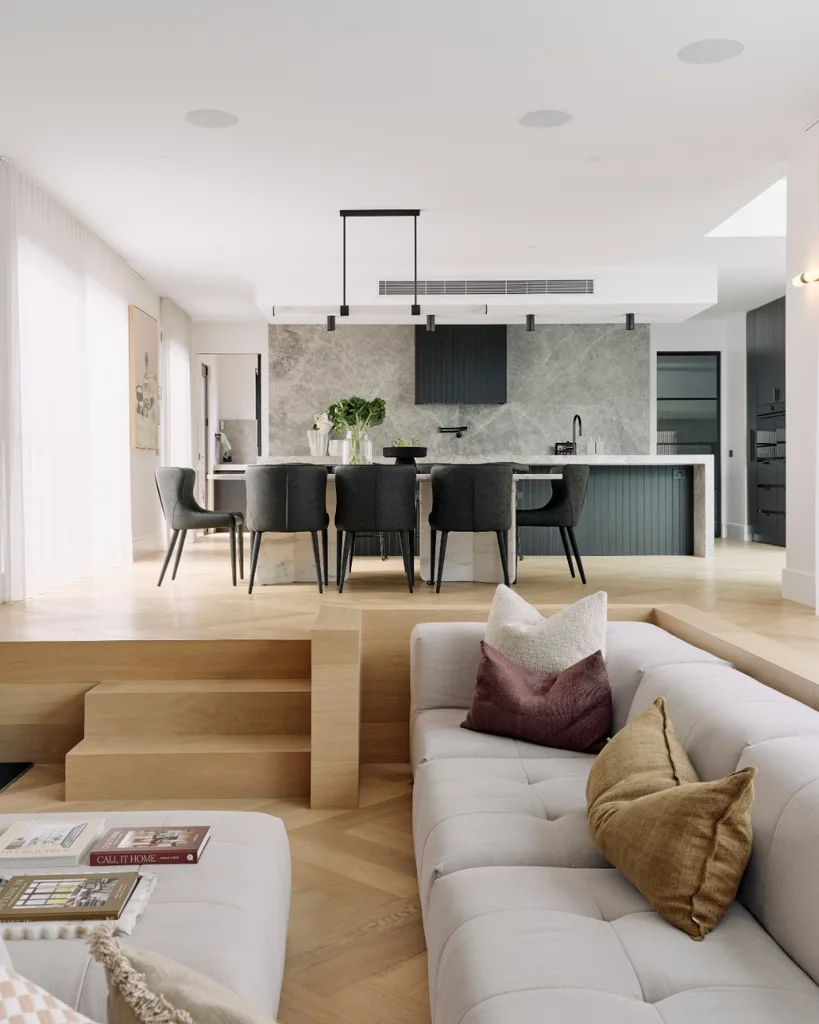
Real timber strength
“Engineered timber is real timber flooring made with a solid hardwood layer over cross-laminated ply,” says Heidi Mitchell. “It’s not fake – in fact, the construction gives it more stability than solid boards, especially in Australian climates.”
Cohesion rules
Engineered timber stands up beautifully to everyday life and can be used from the kitchen to the bedrooms for a seamless, cohesive aesthetic. “We specify it everywhere except wet areas,” says Shona McElroy.
Sustainable and smart
Engineered boards use less solid wood, making them an environmentally responsible option. Kustom Timber sources wood from certified European forests and each product has a 25-year warranty, giving performance with peace of mind.
What colour is best for engineered timber flooring?
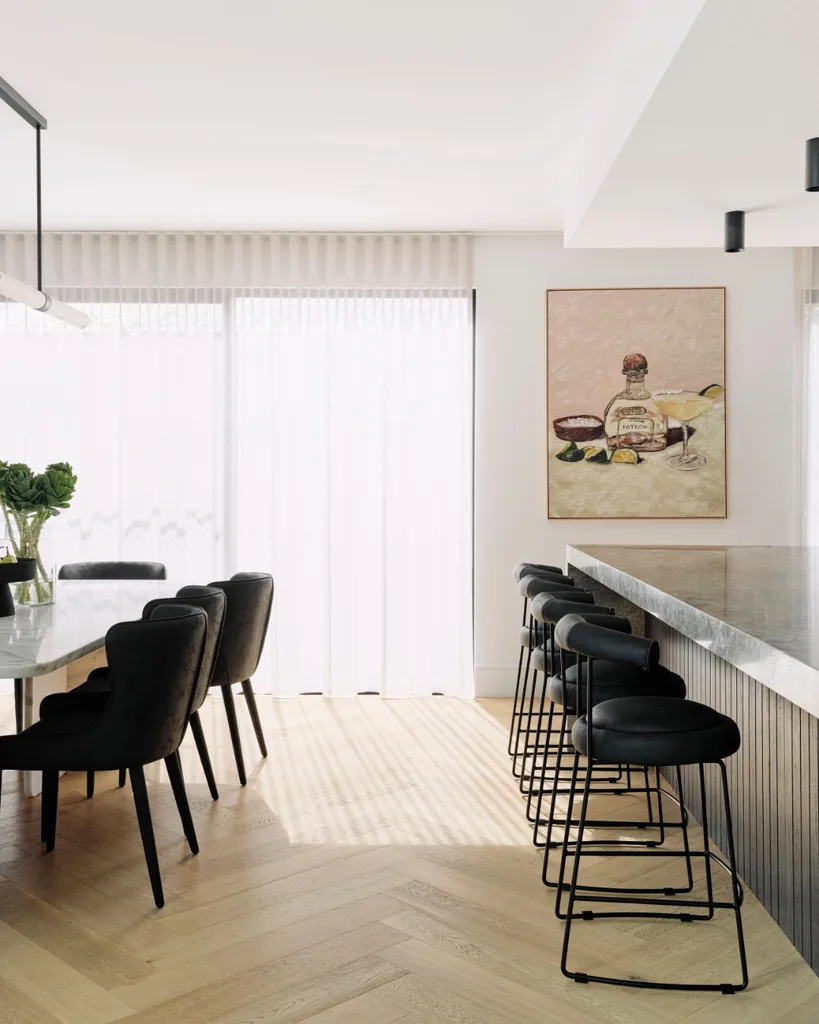
When choosing colour, Coco Tully of Cote Interiors advises thinking about the mood you want to create. “We go light and airy if we want a relaxed, coastal feel, or deep and moody for a sophisticated atmosphere.” But not too dark, cautions Sally Rhys-Jones: “People often think darker floors will hide dirt and pet hair, but it’s actually the opposite.”
Can it be laid in every pattern?
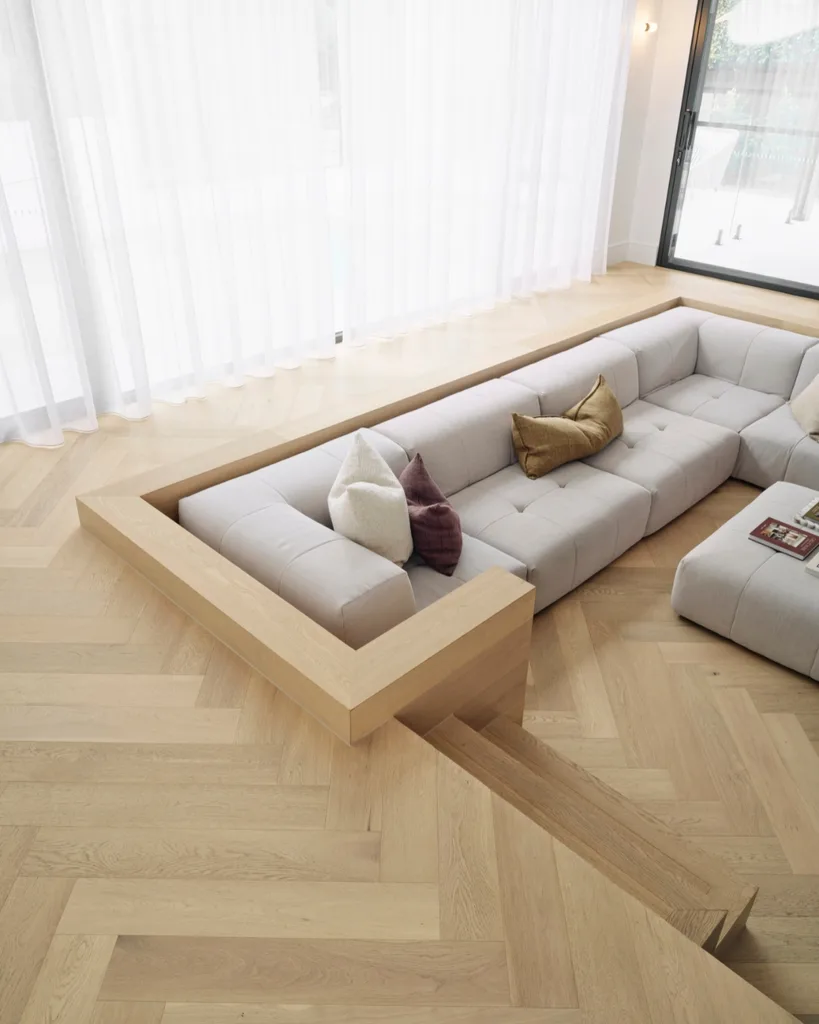
The way boards are laid can completely transform a space. “Parquetry works best in large rooms where there’s ample space to appreciate the pattern,” says Shona McElroy.
“Chevron feels slightly more elevated, while herringbone has a relaxed charm. We often use these in key zones, then run straight planks in secondary areas.” Large-plank formats are also on trend, allowing for a more expansive look and feel.
Which flooring finish is best?
“Matte hides scratches, satin adds a soft sheen and oiled boards feel wonderfully tactile,” says Coco Tully. Lacquered finishes are lower maintenance and tough, while oiled floors age gracefully and can be spot-sanded. It’s all about balancing look with lifestyle.
How to care for engineered timber flooring
Heidi Mitchell recommends vacuuming regularly, using a spray mop and placing doormats at entries. Follow the supplier’s instructions on cleaning and caring for your timber floors and expect your floors to last 20 years or more.

